

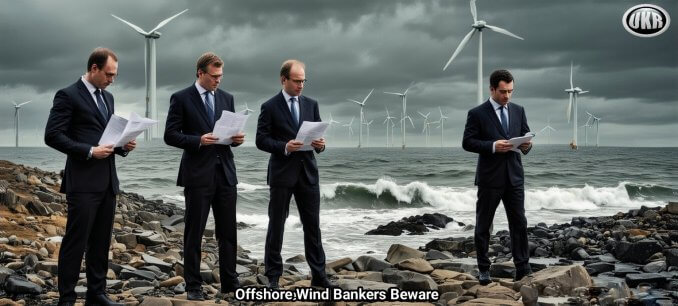
Many renewables projects are at risk from cutting carbon costs and terminating ROC subsidies.
DAVID TURVER
Introduction
The Reform Party have pledged to ditch Net Zero if they get into office. The Conservative Party have pledged to repeal the Climate Change Act, disband the Climate Change Committee, cut carbon taxes on gas-fired electricity and end the lucrative Renewables Obligation Scheme (ROCs). It is likely that Reform would adopt these policies if they were to get into office.
The proposed Tory measures would bring welcome relief to electricity billpayers. The ROC scheme costs around £7.5bn per year and the carbon costs on gas-fired electricity generation cost about £2bn. Carbon costs have been rising recently because of the Labour Government’s announcement that they will align the UK with the EU’s Emissions Trading Scheme. The Tory proposals will therefore cut around £10bn from out bills. Which players in the market would lose out if these measures were enacted?
Impact of Cutting ROCs
Using data from the Ofgem Renewable Electricity Register we can calculate the approximate value of ROCs issued in 2024 by technology as shown in Figure 1.

The biggest recipient of ROC subsidies is onshore wind, receiving certificates worth £1,697m in 2024. Offshore wind received £1.384m and solar £376m. The Other category is dominated by biomass the total Other ROC subsidies received certificates worth £1,384m in 2024. Ending the ROC scheme early would significantly impact the revenue of these generators.
Impact of Cutting Carbon Costs
Ending the ROC scheme early would not be the only impact on ROC-funded generators. They receive the market price, mostly set by gas plus their ROCs. Using data from Ember we can see that carbon costs make up about a third of wholesale prices (see Figure 2).

Windfarm generators typically sell their output at a discount to the market price, so if the market price falls by a third, then their realised price would likely fall in tandem.
Impact on ROC-Generators
Many ROC-funded windfarms like Roos and Garreg Lwyd, owned by TRIG still hold significant debt on the balance sheet of the wind farm companies. Others, like London Array (part owned by Greencoat UK Wind) and Lincs (part owned by ORIT) hold debt in intermediate holding companies. These investment companies also hold debt at higher levels and have overall gearing as shown in Figure 3.

Large renewables operators such as RWE Renewables UK Limited record overall borrowings of £3,268m against investment in subsidiaries of £1,923m. although it is also owed £1,670m from fellow group undertakings. A lot of RWE’s investment is in the upcoming Dogger Bank project. However, the cashflow and dividends from its ROC-funded units will be an important part of the revenue stream helping support the overall group debt.
Smaller renewables operators such as the generation arm of Ecotricity also rely heavily on billpayer funded ROC-subsidies. The Ecotricity empire carried around £80m of debt from Ecobonds and bank borrowing in their last annual accounts.
Losing a third of market revenue by eliminating the carbon costs on gas-fired electricity will be a big blow to ROC-funded generators. Cutting off ROC subsidies early will have an even bigger impact on total revenue for these generators.
We have covered before the impact of losing ROC subsidies and eliminating carbon costs on the asset values of a hypothetical offshore wind farm. The model considered a 100MW, ROC-funded offshore windfarm with an assumed 10-year remaining asset life. The starting load factor is 40% with output declining at 1.5% per year. The windfarm receives 1.9 ROCs per MWh of output with five years of subsidies remaining. Operating costs are £14m per year, equating to £40/MWh in the first year. The market price of electricity is £75/MWh made up of £50/MWh gas costs and £25/MWh carbon costs. It is assumed the realised price for the windfarm is 12.5% below market rates at £65.63/MWh.
Net annual cashflows start at £53.6m and fall slightly with declining output for the first five years, then net cashflows take a big dive in Year 6 as the subsidies run out. Using a 10% discount rate the Net Present Value (NPV) of the first 10 years of those cashflows is £212.3m which represents the base-case Gross Asset Value (GAV). If debt is 40% of GAV or £84.9m, then the base case Net Asset Value (NAV) is £127.4m. We can now work through the sensitivity of the NAV to a reduction in realised prices by the removing carbon costs and the early elimination of ROC subsidies. The results of this sensitivity analysis are shown in Figure 4.

Removal of carbon costs reduces the GAV by 21% and the NAV by 35%. Removal of ROCs reduces GAV by 77.6% and takes the Net Asset Value negative. Both measures combined reduces GAV to just £3m and turns NAV even more negative.
It is expected that the next elections will not be until 2029, so there is time for bankers to accelerate repayment schedules to protect their capital, but they need to act now. Operators and investment companies can use current cashflows to pay down debt and get their balance sheets in order. But if the Labour Government were to collapse, then the reduction in asset values will be accelerated. Bankers beware.
Impact on CfD-Funded Generators
At first glance, CfD-funded generators will not be affected by cutting carbon costs. Wholesale prices will fall, but they will simply receive more subsidy to top them up to the strike price. But this ignores two important elements of the CfD business model.
First, the early decommissioning of ROC-funded onshore and offshore windfarms will remove wind capacity from the grid. If there is less wind capacity, then there will be fewer occasions when wind output needs to be curtailed. This will impact those CfD units with low strike prices like Hornsea 2 and Moray East as they will receive lower curtailment payments.
The other impact will be on those windfarms that are yet to activate their CfDs such as Seagreen and Moray West. Seagreen has a CfD contract for about 454MW of its total 1,140MW capacity that was won in Allocation Round 3 at a current strike piece of £56.25/MWh. Moray West won a contract in AR4 and rebid part of the contract in AR6. The current weighted average strike price is ~£56/MWh for 294MW of the total capacity of 882MW. Neither project has yet activated its CfD contract and are operating at merchant rates, probably receiving around the average Intermittent Market Reference Price (IMRP) which has averaged about £75/MWh so far in 2025. Eliminating carbon costs will likely cut the IMRP significantly and mean these generators will activate their CfDs. They will receive less revenue per MWh generated and will also suffer from lower curtailment payments.
This might make it tricky for both companies. Seagreen is sitting on £3.1bn of debt (including £1.77bn of shareholder loans). In financial year ended 31 March 2024 finance costs were £150m. The cashflow statement shows it also repaid £20.9m of debt, but it also borrowed an extra £204m. Assuming a generous load factor of 45%, we might expect the windfarm to generate about 4,494GWh of electricity each year. If it received £75/MWh, total revenue would be ~£337m. If the revenue fell to the strike price of £56.25/MWh, revenue falls to just £253m. To pay off the £3.1bn of debt would require straight-line repayments of ~£206m, so the revenue before considering operating costs is probably not enough to cover finance costs and debt repayments, let alone fund a dividend for investors. Lower load factors, with little in the way of curtailment payments make matters even worse.
We do not yet have the 2024 accounts for Moray West, but by the end of 2023 it had spent over £1.4bn and was carrying almost £1.4bn of debt. Moray West became operational in 2024 and reached full power in April 2025, so by now it will have spent much more and have higher debts. It is yet to activate its CfD and so is receiving merchant rates around £75/MWh. If carbon costs are cut, then the revenue from merchant rates will fall and it will likely activate its CfD. It remains to be seen if it will generate enough cash to cover finance costs and debt repayment if it is receiving only ~£56/MWh in revenue, or less from the non-CfD part of the project.
Bankers and other providers of debt to these projects ought to be getting nervous.
Impact on Merchant Operators
Some windfarms operate on a purely merchant basis, getting paid through Power Purchase Agreements with their customers. Typically, the price of these contracts will be set at a discount to market rates. Eliminating carbon costs from market rates would see the revenue for these projects falling by about a third from current prices.
Again, any of these projects that are debt-funded would be at risk.
Conclusions
From the announcements from Reform and the Tories, the days of unchallenged support for Net Zero are coming to an end. If either or both come into power, then the green gravy train will hit the buffers.
Eliminating carbon costs from the wholesale price of electricity and ending the ROC scheme early will send a shockwave through the renewables industry. There is still time to prepare so the priority of renewables operators, investors and bankers should be to strengthen balance sheets now.
ROC-funded generators will not be the only projects at risk of early decommissioning or going bankrupt. The windfarms that won contracts at very low prices in AR3 and AR4 are also at risk. They might have been hoping to run on merchant rates much higher than their strike prices and avoid activating their CfDs. However, cutting carbon costs means merchant rates will fall and it remains to be seen whether they can generate enough revenue to remain solvent. There is also the risk that Reform will cancel any projects awarded contracts in the current AR7 auction. It would be foolish to progress any of these projects to Final Investment Decision (FID) with that sword of Damocles hanging over those projects. Bankers beware.
You can help out the exposed bankers by writing to your MP to ask them to demand Ed Miliband cancels AR7. Net Zero Watch have a page that helps you do this with just a few clicks:
https://www.netzerowatch.com/email-your-mp
This article (Offshore Wind Bankers Beware) was created and published by David Turver and is republished here under “Fair Use”

••••
The Liberty Beacon Project is now expanding at a near exponential rate, and for this we are grateful and excited! But we must also be practical. For 7 years we have not asked for any donations, and have built this project with our own funds as we grew. We are now experiencing ever increasing growing pains due to the large number of websites and projects we represent. So we have just installed donation buttons on our websites and ask that you consider this when you visit them. Nothing is too small. We thank you for all your support and your considerations … (TLB)
••••
Comment Policy: As a privately owned web site, we reserve the right to remove comments that contain spam, advertising, vulgarity, threats of violence, racism, or personal/abusive attacks on other users. This also applies to trolling, the use of more than one alias, or just intentional mischief. Enforcement of this policy is at the discretion of this websites administrators. Repeat offenders may be blocked or permanently banned without prior warning.
••••
Disclaimer: TLB websites contain copyrighted material the use of which has not always been specifically authorized by the copyright owner. We are making such material available to our readers under the provisions of “fair use” in an effort to advance a better understanding of political, health, economic and social issues. The material on this site is distributed without profit to those who have expressed a prior interest in receiving it for research and educational purposes. If you wish to use copyrighted material for purposes other than “fair use” you must request permission from the copyright owner.
••••
Disclaimer: The information and opinions shared are for informational purposes only including, but not limited to, text, graphics, images and other material are not intended as medical advice or instruction. Nothing mentioned is intended to be a substitute for professional medical advice, diagnosis or treatment.
Disclaimer: The views and opinions expressed in this article are those of the author and do not necessarily reflect the official policy or position of The Liberty Beacon Project.


Leave a Reply