


A single app to rule your identity, with every blink and barcode feeding the machine
KEN MACON
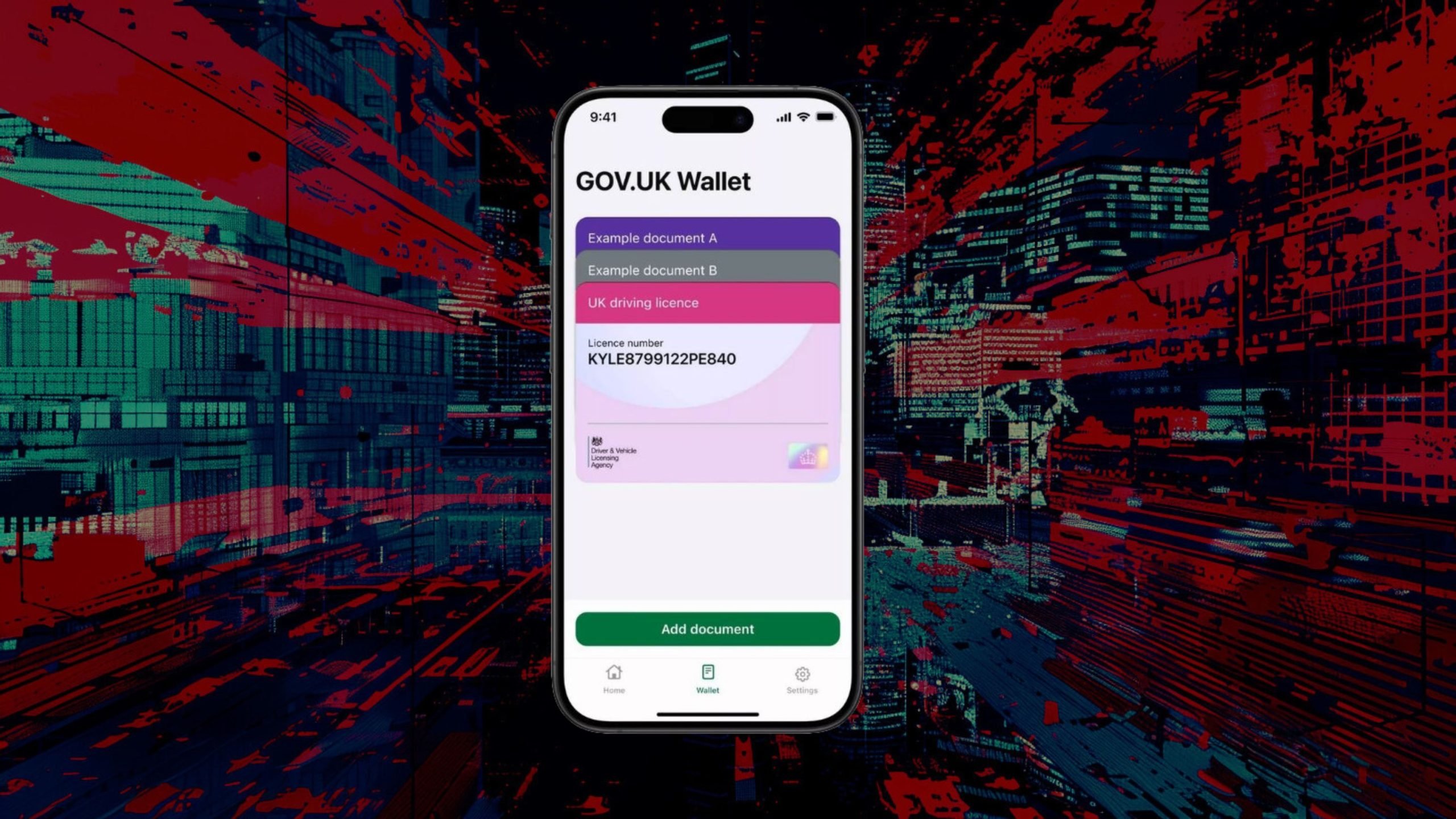
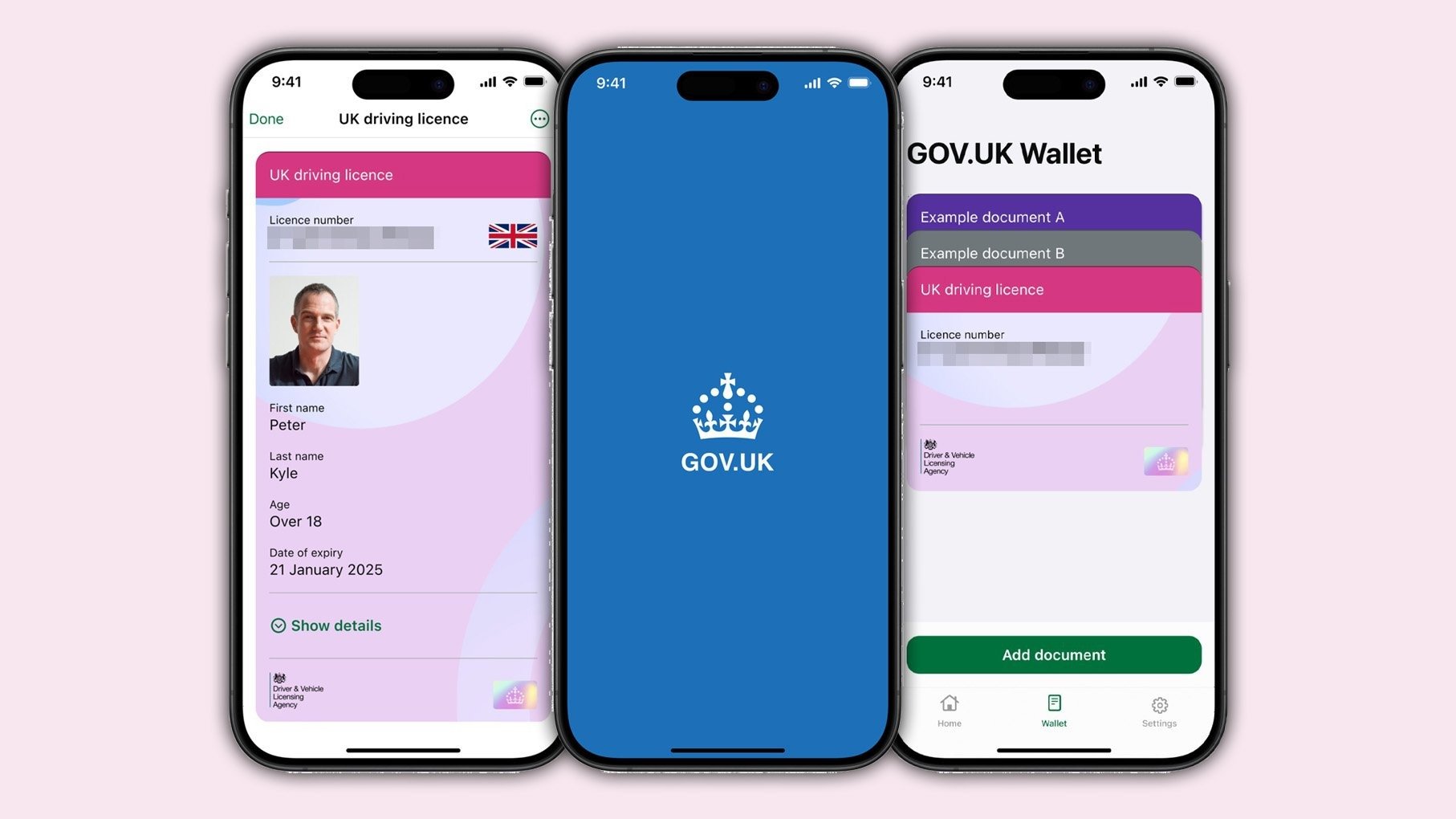
A sweeping transformation of the UK’s identity systems is underway, with the government poised to launch a digital identity wallet this summer. Beginning with a digital version of the Veteran card and expanding to include driving licenses later this year, the initiative is designed to eventually consolidate all government-issued credentials into a single, centralized app by 2027.
While pitched as a modernization effort, this dramatic shift toward a digital-first ID system has sparked serious concerns about surveillance, data security, and individual autonomy in an increasingly watchful society.
To enroll in the system, users will be expected to provide personal documentation.
The Gov.uk Wallet, as it is known, represents a fundamental redesign of the relationship between the state and its citizens.
This overhaul comes at a time when nearly 50 million people across the UK could be affected by the new digital infrastructure. While specific instructions on how to apply for or access the wallet have yet to be detailed, the direction is clear: the UK is moving toward a society where physical IDs may soon be relics of the past.
The government frames the change as part of its larger digitization strategy, yet the scale and permanence of eventual biometric data collection call into question the long-term implications for individual freedoms.
The introduction of digital driving licenses has also been tied to broader regulatory reforms, including newly proposed rules for e-scooter purchases. Buyers will need to provide license details as a form of identity verification, reinforcing the idea that access to everyday services will increasingly hinge on digital ID systems. This entrenchment of digital identity into daily life carries substantial consequences: it embeds surveillance mechanisms into transportation, access to benefits, and public services in ways that may be difficult to reverse.
Government advisers and planning experts have largely welcomed the changes, arguing that they could expedite approval processes and streamline development workflows.
Labour MPs have voiced their backing for a nationwide digital ID initiative, marking a growing cross-party consensus on the issue. Yet this political alignment offers little reassurance to those wary of centralizing identity and biometric data in a manner that could pave the way for future abuses.
While proponents of the Gov.uk Wallet emphasize efficiency and modern convenience, privacy advocates warn that such benefits come with steep trade-offs. Digital identity systems are attractive targets for cyberattacks, and the permanence of biometric data means any breach could have lifelong consequences.
Once data collection becomes standardized, it opens the door for function creep, where the original purpose of digital ID gradually expands into new domains of monitoring and control.
UK Department for Science, Innovation and Technology (DSIT) spokesman confirms that its digital ID wallet is coming this summer, with the first credential being a digital Veteran card and digital driving licenses arriving later this year. The UK government also plans to have every other credential issued by the government to be added to its digital ID wallet by the end of 2027. Users of this digital ID wallet will need to upload relevant documents and complete facial recognition features available on most smartphones.

••••
The Liberty Beacon Project is now expanding at a near exponential rate, and for this we are grateful and excited! But we must also be practical. For 7 years we have not asked for any donations, and have built this project with our own funds as we grew. We are now experiencing ever increasing growing pains due to the large number of websites and projects we represent. So we have just installed donation buttons on our websites and ask that you consider this when you visit them. Nothing is too small. We thank you for all your support and your considerations … (TLB)
••••
Comment Policy: As a privately owned web site, we reserve the right to remove comments that contain spam, advertising, vulgarity, threats of violence, racism, or personal/abusive attacks on other users. This also applies to trolling, the use of more than one alias, or just intentional mischief. Enforcement of this policy is at the discretion of this websites administrators. Repeat offenders may be blocked or permanently banned without prior warning.
••••
Disclaimer: TLB websites contain copyrighted material the use of which has not always been specifically authorized by the copyright owner. We are making such material available to our readers under the provisions of “fair use” in an effort to advance a better understanding of political, health, economic and social issues. The material on this site is distributed without profit to those who have expressed a prior interest in receiving it for research and educational purposes. If you wish to use copyrighted material for purposes other than “fair use” you must request permission from the copyright owner.
••••
Disclaimer: The information and opinions shared are for informational purposes only including, but not limited to, text, graphics, images and other material are not intended as medical advice or instruction. Nothing mentioned is intended to be a substitute for professional medical advice, diagnosis or treatment.
Disclaimer: The views and opinions expressed in this article are those of the author and do not necessarily reflect the official policy or position of The Liberty Beacon Project.


Leave a Reply