

London is the Testing Lab for Big Brother Mass Facial Scanning Tech

The Met’s facial recognition push is less about precision than about normalizing a future where being watched is just part of walking down the street.
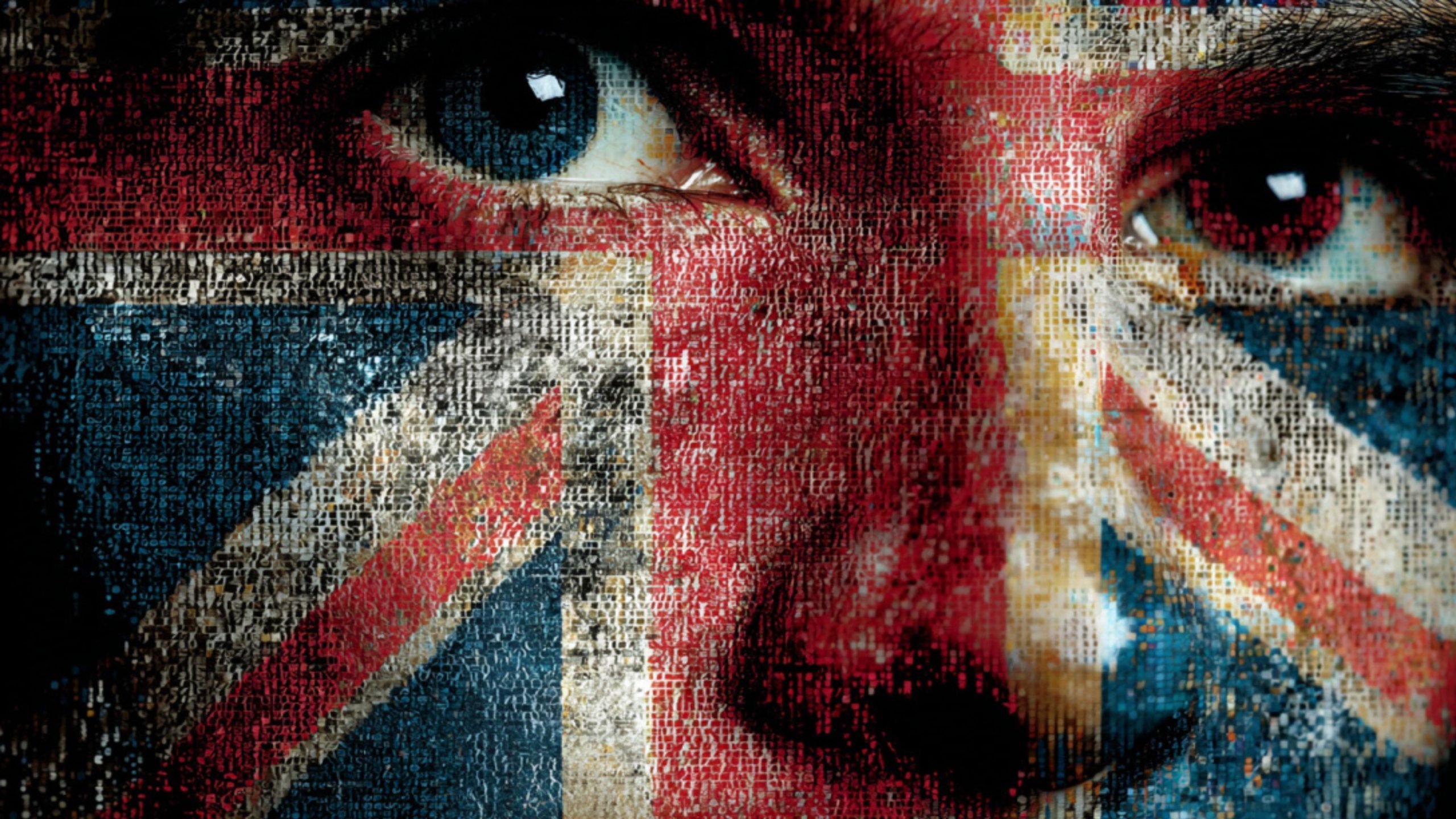

Close-up of a face partially covered with a mosaic-style overlay of the United Kingdom flag, with focus on the eyes and the textured pattern blending colors red, white, and blue.


CAM WAKEFIELD

Since the start of 2024, the Metropolitan Police has been quietly transforming London into a testing ground for live facial recognition (LFR).

Depending on who you ask, this is either a technological triumph that’s making the capital safer or a mass surveillance experiment that would make any privacy advocate wince.

The numbers are eye-watering: in just over 18 months, the Met has scanned the faces of around 2.4 million people. And from that sea of biometric data, they’ve made 1,035 arrests. That’s a hit rate of 0.04%. Or, to put it plainly, more than 99.9% of those scanned had done absolutely nothing wrong.

The police, of course, are eager to present this as a success story. Lindsey Chiswick, who oversees the Met’s facial recognition program, calls it a game-changer. “This milestone of 1,000 arrests is a demonstration of how cutting-edge technology can make London safer by removing dangerous offenders from our streets,” she said.

Of those arrested, 773 were charged or cautioned. Some were suspects in serious cases, including violent crimes against women and girls.

But here’s where things get complicated. To secure those 1,000 arrests, millions of innocent people have had their faces scanned and processed.

What’s being billed as precision policing can start to look more like casting an enormous net and hoping you catch something worthwhile.

If the figures seem large now, just look at the trend. Back in January 2024, the Met’s cameras scanned 36,000 faces.

By November, that number was nearing 190,000 a month. In 2025, they’ve regularly topped 200,000, with February pushing past 300,000 scans.

And the Met isn’t alone.

The police insist the technology is targeted.

The scale of scanning raises uncomfortable questions about where the line is drawn and the implications of the future use of this technology.

Supporters argue that LFR saves time, helps track down suspects, and modernizes policing in a way that matches the scale of modern crime.

At what point does surveillance stop being smart policing and start becoming a permanent fixture of public life? And once that infrastructure is in place, how easy would it be to dial it back?

SOURCE: Reclaim the Net

••••

The Liberty Beacon Project is now expanding at a near exponential rate, and for this we are grateful and excited! But we must also be practical. For 7 years we have not asked for any donations, and have built this project with our own funds as we grew. We are now experiencing ever increasing growing pains due to the large number of websites and projects we represent. So we have just installed donation buttons on our websites and ask that you consider this when you visit them. Nothing is too small. We thank you for all your support and your considerations … (TLB)

••••

Comment Policy: As a privately owned web site, we reserve the right to remove comments that contain spam, advertising, vulgarity, threats of violence, racism, or personal/abusive attacks on other users. This also applies to trolling, the use of more than one alias, or just intentional mischief. Enforcement of this policy is at the discretion of this websites administrators. Repeat offenders may be blocked or permanently banned without prior warning.

••••

Disclaimer: TLB websites contain copyrighted material the use of which has not always been specifically authorized by the copyright owner. We are making such material available to our readers under the provisions of “fair use” in an effort to advance a better understanding of political, health, economic and social issues. The material on this site is distributed without profit to those who have expressed a prior interest in receiving it for research and educational purposes. If you wish to use copyrighted material for purposes other than “fair use” you must request permission from the copyright owner.

••••

Disclaimer: The information and opinions shared are for informational purposes only including, but not limited to, text, graphics, images and other material are not intended as medical advice or instruction. Nothing mentioned is intended to be a substitute for professional medical advice, diagnosis or treatment.

Disclaimer: The views and opinions expressed in this article are those of the author and do not necessarily reflect the official policy or position of The Liberty Beacon Project.

Be the first to comment

Leave a Reply

Your email address will not be published.


*